|
When a Charter Becomes More Than a Document
Many organizations know what matters most. They have values, vision, and a sense of purpose. Yet leaders still find themselves asking why alignment feels inconsistent and why there is often a gap between what they say matters and what people experience inside the organization.
Often, the issue is not a lack of clarity. Purpose has been defined, but it has not yet shaped the actual life of the organization.
Last month, we wrote that activation happens when purpose begins shaping structure, systems, and everyday organizational life. This month, we want to explore where that process begins.
Recently, we worked with an organization seeking greater alignment between its values and operations. Rather than creating another aspirational document, they slowed down and asked a deeper question:
What kind of organization are we trying to become?
And how are we uniquely called to serve?
Through the Charter process, one central idea emerged: loving well.
Not as a marketing phrase or branding exercise, but as a commitment that would shape both culture and operations.
The Charter helped define what that commitment would look like across the organization:
• Creating meaningful and purposeful work for team members
• Building caring and trustworthy customer relationships
• Strengthening the surrounding community through partnership and stewardship
What became especially meaningful was not simply the Charter itself. It was what began happening afterward.
The Charter started shaping conversations. Leaders began developing a shared framework for how conversations, priorities, and decisions fit together.
One leader described the impact this way:
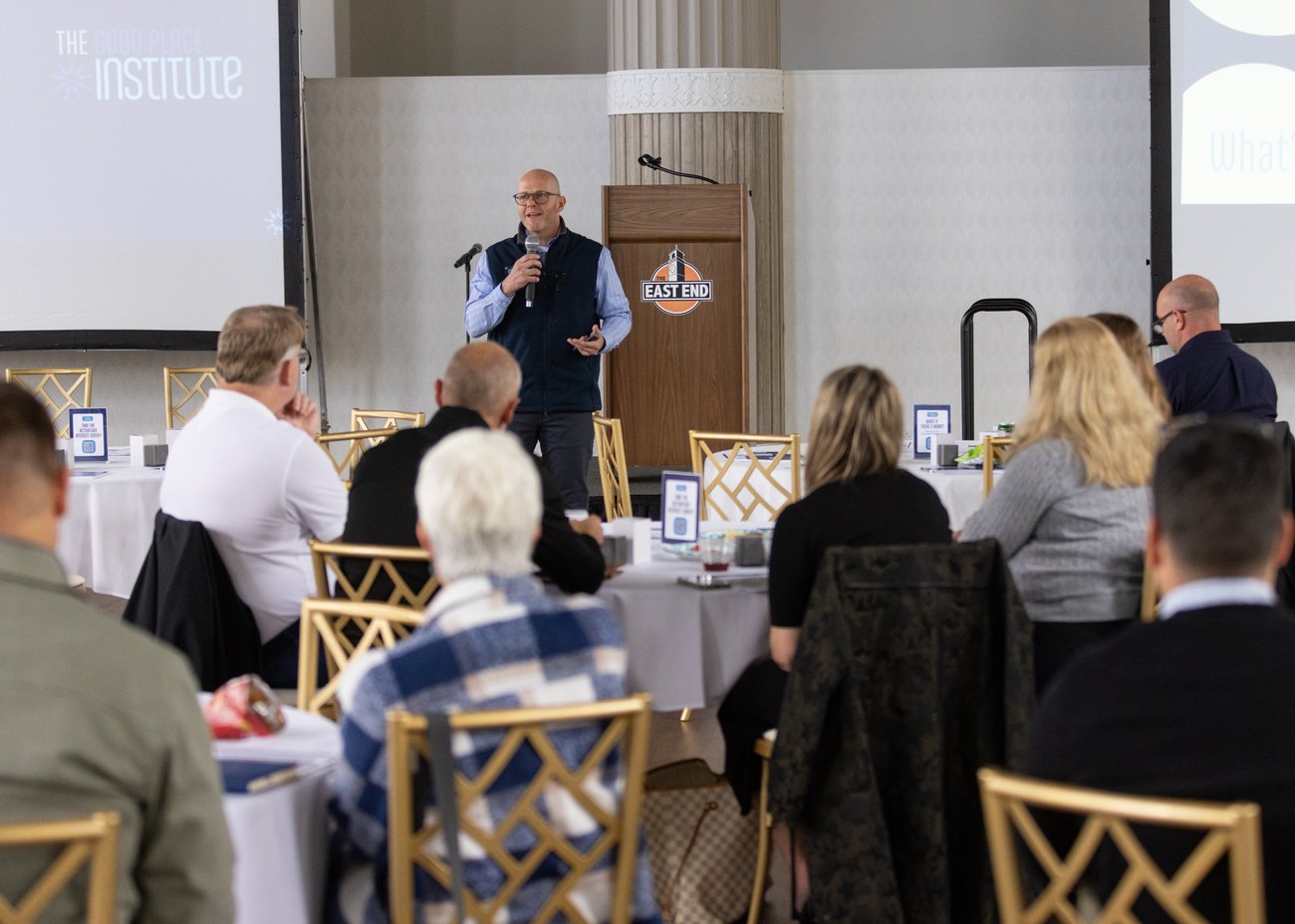
"What The Good Place Institute has given us is a shared language."
That experience is more powerful than it may first appear. Without a shared framework, organizations often drift into reacting instead of stewarding. Priorities compete with one another. Conversations become disconnected from follow-through. Teams slowly drift back toward what is familiar instead of what is intentional.
A Charter is not simply a document. It is the beginning of a shared understanding of purpose, values, stewardship, and direction. It creates the clarity necessary for leaders and teams to move forward together.
Many organizations already know what matters most. The deeper challenge is ensuring those convictions become more than aspirations. They must begin shaping conversations, decisions, priorities, and ultimately the life of the organization itself.
If your organization is wrestling with questions of purpose, alignment, or direction, we invite you to explore how a Charter can help create a clear path forward.
|